
GALAXY: Your Professional Student Backpack Supplier
Quanzhou Galaxy Import & Export Co.,Ltd (Quanzhou Yingkai Bags Co.,Ltd, BSCI Audited Factory) is specialized in designing and manufacturing all kinds of bags,including backpacks, school bags, duffle bags, sports bags,camping bags,trolley bags,laptop cases, tote bags, lunch bags ,promotional bag and,tools bags etc.
Why choose us
Experienced Factory & Team
We have been manufacturing bags for more than 20 years. Our own bags factory is located in Quanzhou, Fujian, China, near the Xiamen seaport. It has approximately 4800 square meters of workshop, warehouse, and office space. There are more than 150 skilled workers and various advanced machines.
Various Products
Quanzhou Galaxy Import & Export Co., Ltd (Quanzhou Yingkai Bags Co., Ltd, BSCI Audited Factory) specializes in designing and manufacturing all kinds of bags, including backpacks, school bags, duffle bags, computer backpacks, camping bags, trolley bags, laptop cases, tote bags, lunch bags, promotional bag and, tools bags, etc.
OEM and ODM Available
We are capable of immediate make-to-order according to the customer's sample, image, or sketch. Our Design team can turn out accurate samples effectively. And we have our own brand 'GALAXYTREND'. We design and release our design of all kinds of bags.
Professional Service
We are committed to creating high-quality products, good service, fast delivery and excellent cost performance. During the warranty period, we are responsible for the warranty of the computer backpack.
-

Cute Chinlren’s School Backpack
Primary School Backpack With Multiple Compartments Add to Inquiry -
High Quality Cute 3D Cartoon Dinosaur School Backpack
This kids school backpack with adjustable shoulder straps relieve the stress of shoulder. comfortable to carry. A handle on the top. High quality zippers. Sturdy constructions. Add to Inquiry -
School Backpack For Girls
This school backpack offers ample space for all your child's school essentials.The large compartments provide plenty of room for books, notebooks,and lunchboxes, while the front pocket is perfect for Add to Inquiry -
Schoolback For Boy
Side mesh pocket secures drinks, umbrella, trail maps, or rolled up school projects so you are always ready for anything. Add to Inquiry -
Bookbag For Travel School
This kids school backpack with adjustable shoulder straps relieve the stress of shoulder. comfortable to carry. A handle on the top. High quality zippers. Sturdy constructions. Add to Inquiry -
Cartoon Design School Backpack
This school backpack offers ample space for all your child's school essentials.The large compartments provide plenty of room for books, notebooks,and lunchboxes, while the front pocket is perfect for Add to Inquiry -
Backpack For School Preppy Bookbags
The design of the thickened shoulder straps reduces the weight on the shoulders, and the intimate belts on both sides provide support and easily hold up your belongings, 2 pieces sturdy side pockets Add to Inquiry -
Customized Cute Kids Backpack
This children's backpack has a main compartment, one front pocket and two side deep water bottle pockets, super strong straps for heavy books, and the handles on top for hanging or carrying.. Add to Inquiry -
Boys Bookbags Back To School Bags
This book bag boasts a variety of unique prints and colors, an easy-grip handle, and kid-friendly extended zipper pulls to open and close. Add to Inquiry -
Cartoon Printing Lightweight Student Backpack
The adjustable straps and breathable padded back panel offer comfortable support for children's journeys of growth. The thickened straps reduce shoulder pressure, making the journey to school a Add to Inquiry -
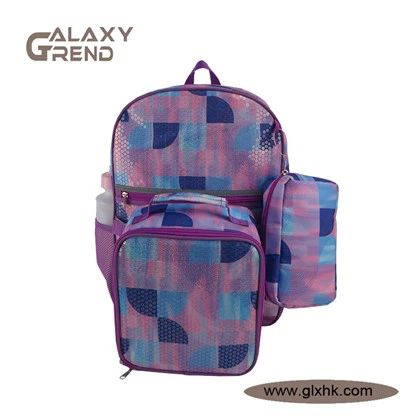
School Backpack Bag Set 3PCS For Girls
The school backpack set, complete with insulated lunch bag and an adorable pencil case, ensuring your child is fully equipped for school with convenience.Widen and thicken durable adjustable shoulder Add to Inquiry -
Three Pieces Set Shiny Bag For Children Teenagers
One main large zipper pocket inner; Two side mesh pockets for carrying water glasses and umbrella; It is lightweight but capacious to carry. Breathable and comfortable, adjustable wide padded Add to Inquiry




What Is Student Backpack?
Student Backpacks are used in different industries to store and transport tools while helping keep them organized and accessible. Overall, they're designed to keep tool kits safe, secure, and ready for use.
Features of Our Student Backpack
1

Comfy&Sturdy
Comfortable soft padded back design with thick but soft multi-panel ventilated padding gives you maximum back support. Breathable and adjustable shoulder straps relieve the stress of the shoulder. Foam padded top handle for a long time carry on
2
Functional&Safe
A luggage strap allows the backpack to fit on luggage/suitcase, and slide over the luggage upright handle tube for easier carrying. With a hidden anti-theft pocket on the back protects your valuable items from thieves. Well made for international airplane travel and day trips.
3
Large Capacity
One backpack to solve all travel troubles. The large capacity laptop backpack has multiple divider pockets, easy to hold laptops, iPads, Phones, binders, water bottles, umbrellas, readers, journals, magazines, clothes, pens, wallets, and so on.
4
Multipurpose Backpack
This backpack purse is perfect for University, work, travel, business, daily use, and outdoor activities. Can be used as a University backpack, nurse backpack, work and business backpack.
The Ideal Backpack for High School: Practical and Stylish
The Right Size
Choosing a backpack that is large enough to hold all school supplies but not too big to cause back or shoulder discomfort is crucial. Generally, a backpack with a capacity between 15 to 30 liters is recommended for high school students. This size offers enough room to store books, notebooks, a pencil case, a lunchbox, and a water bottle without making the bag feel overloaded.
01
Organization and Compartments
A well-organized backpack is a true blessing for high school students. Opt for a bag with multiple compartments and pockets to keep things tidy and easily accessible. A main compartment for books and notebooks, a separate laptop pocket (if needed), a front pocket for small accessories, and side pockets for a water bottle are all useful additions that make the backpack functional.
02
PComfort Above All
Carrying a heavy backpack can strain the back and shoulders, especially if the school involves a considerable walk or bike ride. Therefore, investing in an ergonomically designed backpack with padded shoulder straps is of utmost importance. A chest strap and hip belt can also help distribute the weight better and enhance comfort.
03
Durability and Quality
A high school backpack should not only be functional and comfortable but also durable and of good quality. High school students are known for their active lifestyle, and a backpack must withstand daily wear and tear. Opt for a bag made from sturdy material, preferably water-resistant, to keep the contents dry during unexpected rain.
04
Stylish and Personal
Amidst all the practical considerations, most teenagers naturally want a backpack that looks stylish and reflects their personality. Thankfully, there are countless designs, colors, and patterns available, allowing everyone to find something that suits their taste. It's essential to choose a backpack that is not only functional but also becomes a source of pride and self-expression.
05
Types of Backpacks

Standard Backpack
A standard backpack features two shoulder straps and one large compartment with a zipper closure. This is a classic choice for most students due to its versatility, comfort, and practicality.

Sling Bag
A sling bag features one shoulder strap that goes over the shoulder and across the chest. Your child can put the bag on quickly, and it stays snugger on the body, making it a good choice if your student plans to wear the bag while riding a bike. However, these bags are generally smaller, so they might be ideal for those carrying fewer items each day.

Functional Backpack
A functional backpack is like a standard backpack but with more features. These features may include secondary storage compartments, side pockets, drink pockets, etc. This is great for those needing more features and space than a standard backpack might offer.

Rucksack
A rucksack is like a standard backpack, but instead of a zip closure on the main compartment, they typically have a large top flap that folds over and buckles shut. Rucksacks generally offer more storage space than standard backpacks.

Rolling Backpack
A rolling backpack is a backpack that features wheels on the bottom and a top handle, so your child can easily move it on the ground. This backpack style can be great for students carrying heavy books or items.

Kids' Backpack
A kids backpack is a bit smaller than a traditional backpack, making it easier for a child to use. They come in various colors and styles — including a matching backpack with a lunchbox — so your child is sure to find a school backpack they enjoy.

Laptop Backpack
A laptop backpack is like a standard or functional backpack, but inside the backpack, you'll find a compartment or flap to safely carry a laptop, tablet, or similar device. This may be necessary for students who regularly need to transport their laptops from school to home.

Clear Backpack
A clear backpack is similar to a standard backpack but is made from transparent material, making it easier to see what's inside the bag.
Why Students Should Carry Backpacks in School?
1. Convenient Tote Bags
Textbooks, notebooks, three-ring binders, school supplies and reference materials are heavy and bulky. Students who take their books and academic materials home on a regular basis need a practical way to tote their belongings, and backpacks are a durable and reliable solution. During cold weather, students also need a way to transport coats, boots, hats and gloves. Some might also need to store and transport lunch or snack items. Most backpacks have zippered compartments that make it easy to carry small items such as pencils, pens, jump drives, loose change, cosmetics and calculators. A solution is to require students to carry mesh backpacks or backpacks with clear or translucent coverings. Some students may feel that clear backpacks violate their privacy.
2. Cumbersome Books
Some students need to carry a backpack to class during school hours. Many junior high and senior high schools are large and spread out, so students don't always have time to return to their lockers before each class. For example, a student might need to carry multiple textbooks, a stack of notebooks and a bundle of art supplies to several classes before returning to her locker. Some students might not be strong enough to carry that much weight, or perhaps they risk tripping and falling when they have too much to carry in their arms. Backpacks allow students to carry items on their backs, making it easier to see in front of them to navigate crowded hallways and stairwells.
3. Health Matters
Backpacks are a healthier option than shoulder bags or messenger bags for carrying heavy books and supplies, according to Teens Health. A backpack distributes weight more evenly across a student's body so he doesn't have to worry about fatigued arm muscles or shoulder strain. Back and core muscles are the strongest in the body, so they help support the weight of a backpack, reports the American Academy of Orthopedic Surgeons. A student can adjust his backpack straps to ensure the bulk of the weight stays close to his back and the bag only hangs a few inches below his waist. Most backpacks have padded shoulder straps that keep the straps from digging into a student's shoulders. However, not carrying a backpack according to the manufacturer's instructions can lead to muscle strain and poor posture. A student should always carry his backpack with one strap on each shoulder -- not with one strap alone or with both straps over one shoulder.
How to Pack a Student Backpack: Right, Light and Tight

Pack it right
Organizing the items that go in the backpack can help reduce the load your child feels and keep them safe in case of accidents.
1)Put the heavier items, like books and notebooks, toward the rear and center of the backpack, closer to your child's back.
2)Place lighter items, like pencils and glue sticks, in front.
3)Keep sharp items like scissors away from the body and towards the front of the backpack.
4)Use various pockets and compartments to help distribute weight.
5)Pack only those items necessary for the day's activities.
Make it light
Your child will need certain things at school every day, but here are some things to consider to help decide what and how they carry their items.
1)Weigh the backpack! Your child's book bag shouldn't exceed 10 percent of his or her body weight. This means that if your child is 100 pounds, the backpack should weigh less than 10 pounds.
2)If the backpack is consistently heavy, consider a backpack with wheels or have your child carry items in his or her arms.
3)Know how to spot the signs of a heavy backpack. This can include difficulty picking up the backpack, pain, numbness or tingling in the arms or legs, or red marks on the shoulders. Your child's posture might also change when wearing the backpack.


Wear it tight
Keeping a backpack closer to the body makes it feel lighter and easier to carry.
1)Wear both shoulder straps to prevent injury.
2)Shoulder straps should be padded and tightened so that the backpack sits snugly against your child's back.
3)Consider backpacks with a hip belt or chest belt. This will take some strain off of your child's shoulders and back.
4)Choose the right size. The height of the backpack should begin two inches below the shoulder blades and end slightly above the waist.
What Are Student Backpacks Made of?
Cotton Canvas
Strengths: Sturdy, fashionable, retains its look and feel over time
Weaknesses: More expensive, less breathable than other materials, typically only available in neutral colors
Nylon
Strengths: Waterproof, lightweight, resistant to tears
Weaknesses: May be more pricey, less fashionable, stains easily
Leather
CStrengths: Professional look, strong, lasts for years
Weaknesses: More cumbersome to carry, requires special care and cleaning, real leather is made from animals
Denim
Strengths: Stylish, usually machine washable, affordable
Weaknesses: Can't hold as much weight, not waterproof, dye may bleed over time
PVC
Strengths: Cost-effective, waterproof, more color options
Weaknesses: Gets dirty easily, less of a high-end look, not as durable as other materials
Polyester
Strengths: Affordable, flexible, dries quickly
Weaknesses: Sensitive to temperature, dye may bleed over time, not as lightweight
Polypropylene
Strengths: Easy to clean, lightweight, long-lasting
Weaknesses: May withstand sun damage, flammable, easily discolored over time
Cordura
Strengths: Almost indestructible, rugged look, waterproof
Weaknesses: Heavy to hold, higher cost, not as easy to find
How to Clean the Student Backpack

Light Cleaning
After any daily using, it's a good idea to do a quick once-over of your pack. Here's how:
1)Empty all pockets. Shake it upside down to get out sand and dirt.
2)Use your clean sponge (no soap needed) to wipe out interiors.
3)Lightly scrub any stains or spots on the exterior with your sponge and a little soap.
4)Use clean, cool water with your sponge or cloth to rinse off the soap.
5)When the pack's dry, put your back in so you're ready to go on your next outing.
Deep Cleaning
You may go years without really cleaning your pack, but sooner or later you'll want to get the funk and camp smoke out of it. Here's how:
1)After emptying your pack, gently vacuum seams and crevices in the pockets and way down inside the main body of the pack to remove any crumbs, sand or loose dirt.
2)Remove the hipbelt and shoulder straps, if your pack allows. Wash those separately with a sponge and a little soap. Rinse well under running water.
3)If your pack's metal frame can be removed or detached, do so (check your owner's manual to be sure it can) and set the frame aside.
4)Fill a bathtub or large sink with about 6 inches of lukewarm water. Use your mild soap. Submerge and swish your pack vigorously, sponging off the interiors and brushing exterior spots. Pay attention to any places that come in contact with skin. Be gentle with mesh pockets.
5)Drain. Fill with 6 inches of clean cool water, rinse well. Rinse twice if necessary to remove all soap residue.

School Backpack Capacity Guidelines for Children of All Ages
The capacity of a backpack should be determined by the age, height, and weight of the child.
For Preschoolers
The ideal backpack should measure between 16-18 inches in length, 13-15 inches wide and 2-4 inches deep. Backpacks for this age group should have no more than 10% of their body weight in them. It is recommended to look for backpacks with a maximum size of 15L. These smaller-sized backpacks are customizable and can be decorated with cute images and designs such as popular cartoon characters or animals. This way, they will love carrying their own bag around even if they don’t completely understand the purpose behind it yet!
For Elementary Schoolers
Backpacks measuring 17-19 inches long will fit best. The width should be no more than 15 inches and the depth 4 – 6 inches. It is recommended to carry no more than 15% of their body weight. Slightly larger-sized bags (maximum 20L) become more suitable since there are more books and supplies that need to be taken along with them each day. Aiming for something waterproof would also be beneficial so that all the items inside remain safe during the rainy season or due to accidental spills while walking between classes!
For Middle Schoolers
Backpacks designed for 11 – 14-year-olds should measure 18 to 20 inches in length with approximately 16-inch widths spanning up to 8-inch depths. Depending on which grade they attend and how many accessories they plan on taking along with them, having a couple of options between 25-35L is ideal. As children reach this age they become stronger so it becomes important to take into consideration the number of textbooks they’ll need as well as any other items such as laptops that they may need while at school – but it is still not recommended that they carry anything weighing over 20% of their body weight.
For High Schoolers Aged 15+ Years Old
You shouldn’t even consider packing a conventional type daypack; wide straps on shoulder pads are key again because older teenagers tend to carry heavier textbooks too! Adding laptop cases etc means going above 19 –21 inches lengths with an appropriate shoulder strap support system – but ensure any load isn’t exceeding 25% percent figure per person. Having a multipurpose backpack that can fit both stationary items but also make space for most shoes/clothes according to those requirements would come in handy here — usually, these should have 35L Plus capability whilst being lightweight enough not to burden the student too much when out exploring new places!
What Criteria Should Be Used to Determine the Size of a College Backpack
The right size college backpack must be selected based on the following criteria:
Volume
Choose a bag with enough volume to accommodate textbooks, binders, and other supplies. Look for backpacks that offer many pockets and compartments to store items adequately without taking up too much space.
Comfort
Make sure to get one with adjustable shoulder straps and a padded back panel so you can adjust it to your personal shape and size.
Durability
Choose a backpack made of durable, tear-resistant material like nylon or canvas so it can withstand the daily wear and tear of long university days.
Style
Your personal style preferences are an important factor to consider when choosing the right size college backpack. With so many trendy colors and cool designs to choose from, you can find a backpack that not only meets your functional needs but also reflects your unique sense of style!
Customization Process & Customized Logo


Frequently Asked Questions about Student Backpack
We're well-known as one of the leading student backpack manufacturers and suppliers in China. Please rest assured to buy high quality student backpack made in China here from our factory. For customized service, contact us now.
